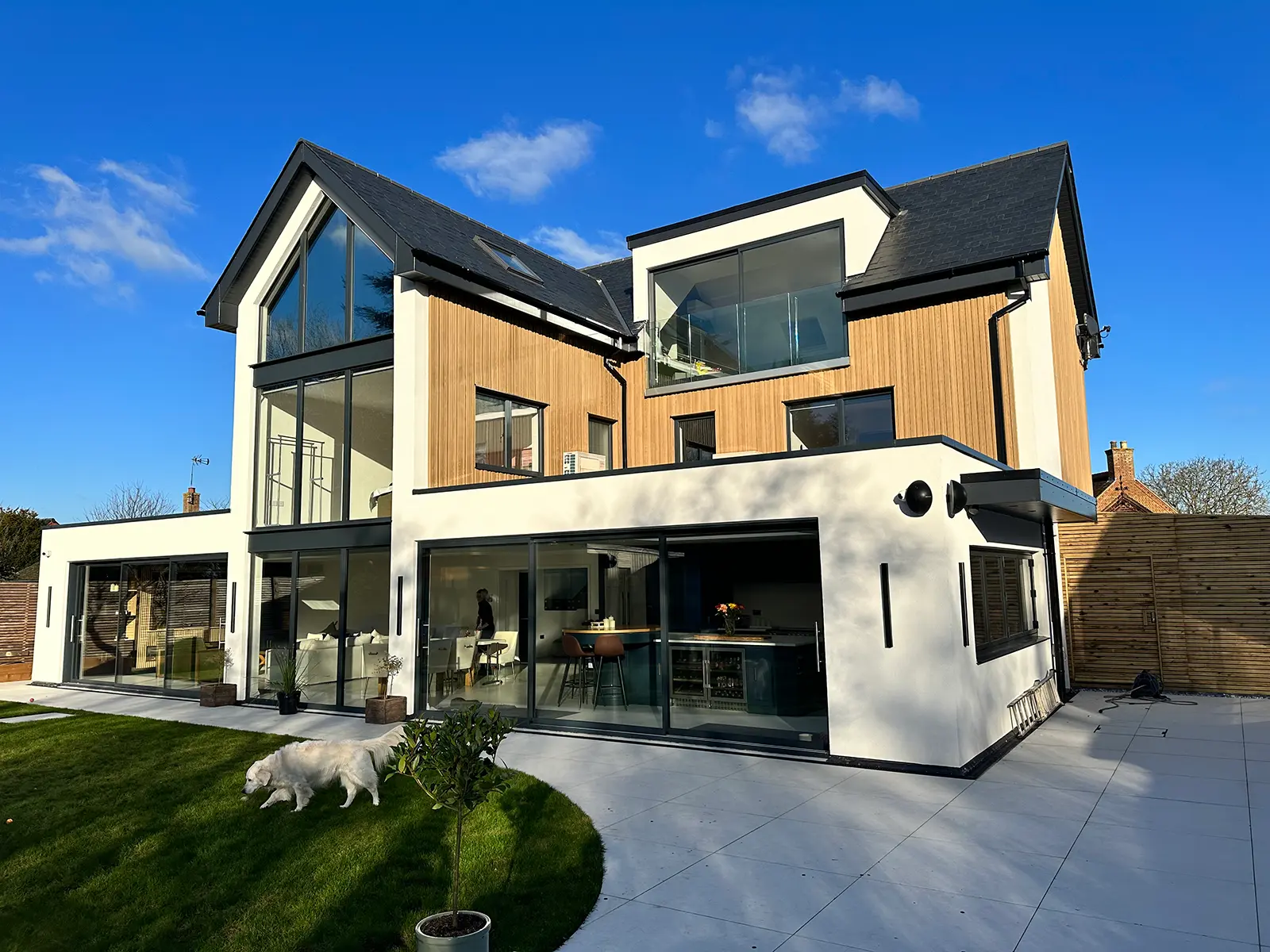
Energy bills have a way of creeping up on you. One winter you shrug off a slightly higher statement, the next you find yourself eyeing the thermostat like it owes you money. I’ve stood in more than a few chilly hallways with homeowners who were certain the boiler was to blame, only to find the real culprit was a row of single-glazed windows that bled heat faster than a leaky radiator. Good windows and doors won’t fix everything, but the right glazing, fitted well, can change the feel of a home and the shape of your monthly bills.
This is a practical look at how double glazing actually reduces energy costs, where the savings come from, and how to weigh material choices like aluminium windows and doors versus uPVC alternatives. I’ll also touch on what matters when choosing double glazing suppliers, and the details that separate a solid installation from an expensive disappointment.
Where your heat really goes
Every home loses heat in five main ways: through the roof, walls, floors, ventilation, and openings. Openings are the obvious ones you can touch and see, and they are often the weakest link. In a typical older house with single-glazed timber windows, windows and doors can account for 20 to 30 percent of heat loss. Once you improve insulation in the loft and walls, the proportion through openings usually grows, which is why upgrading glazing often becomes the next best move.
Single glazing is just a sheet of glass separating a warm room from cold outside air. Glass is a poor insulator, so heat flows readily by conduction. On a frosty night, the glass surface inside your room can sit only a few degrees above the outdoor temperature. You feel that as a drafty chill even if the window is shut tight. It is not only conduction at work, either. Radiant heat from your body and your radiators passes to the cold glass, so you sense a cold “pull” when you sit beside a big pane.
Double glazing changes that dynamic in three ways. First, it adds a second pane and a sealed air or gas layer that slows conduction. Second, it reduces internal surface cooling, which cuts radiant heat loss. Third, with a proper frame and seals, it slashes infiltration, the sneaky movement of cold outside air through gaps. All three contribute to lower energy use and a warmer, more even indoor climate.
U-values and what they mean for your bill
The simplest way to quantify window performance is the U-value, the rate of heat transfer. Lower is better. Old single-glazed windows often sit around 4.8 to 5.8 W/m²K. A decent modern double-glazed unit lands between 1.2 and 1.6 W/m²K, depending on spacers, coatings, and gas fill. Triple glazing can push below 1.0 W/m²K.
What does that look like in real money? Let’s say you have 20 square meters of window area. On a cold day with a 20 degree Celsius difference between indoors and outdoors, a single-glazed set might leak 1,920 to 2,320 watts of heat through the glass alone. A good double-glazed setup drops that to roughly 480 to 640 watts. Over long heating seasons, especially in temperate climates, that is a material reduction in the load on your boiler or heat pump.
Annual savings vary by energy prices, climate, and how you heat. In many UK and northern European homes, upgrading a fully single-glazed house to solid double glazing commonly saves in the range of 10 to 20 percent of space heating energy, sometimes more if the windows were very leaky and sun exposure is poor. Households with gas boilers see different payback dynamics than those using electric resistance heaters or heat pumps. With energy prices volatile, I advise running scenarios. If check how to insulate windows prices rise by another 20 percent, the payback period shortens. If you switch to a heat pump with cheaper marginal heat, the value shifts toward comfort and carbon rather than pure cash.
The anatomy of a good double-glazed unit
Not all double glazing is created equal. The performance comes from a few choices that are hidden once the frame goes in, so it pays to understand them before you sign an order.
The gap matters. A sealed cavity of 14 to 20 millimeters between panes is a sweet spot for most designs. Too narrow and conduction rises, too wide and convection currents form inside the cavity, carrying heat across. The fill gas matters too. Air is okay. Argon is better and adds little cost. Krypton is excellent for very narrow cavities, typically used in heritage retrofits where sightlines must match slim timber sections, but it is pricier.
Low-emissivity coatings, often called low-E, are the quiet heroes. They are microscopically thin metal oxide layers on one pane, usually the inner face of the outer pane. They reflect infrared heat back into the room while allowing visible light to pass. Low-E coatings can change the balance between winter heat retention and summer solar gain. In a sunny, south-facing room with overheating issues, a slightly lower solar gain rating helps. In a cold, gloomy climate, you might prefer a coating that admits more winter sun.
Spacers, the strips that separate the panes at the edges, used to be aluminium. Those performed poorly because they conducted heat to the perimeter, causing cold edges, condensation, and loss in U-value. Warm-edge spacers, made from stainless steel or composite materials, reduce this problem. When I inspect a “good on paper” unit that still fogs at the corners, I often find a cheap spacer.
Finally, there is the frame. You can buy excellent glass and throw away the benefit with a thermally weak or badly installed frame. This is where the choice between upvc windows and doors and aluminium windows and doors comes into focus.
uPVC versus aluminium in the real world
Both uPVC and aluminium can deliver top-tier performance if specified well. Both have duds on the market if corners are cut.
Modern uPVC profiles offer strong thermal performance at a reasonable price. The hollow chambers in the frame resist heat flow, and you can hit low whole-window U-values without exotic coatings. For many semi-detached and terraced homes, uPVC windows and doors strike a balanced sweet spot: warm to the touch in winter, durable if maintained, and available from a wide pool of double glazing suppliers. A mid-range uPVC casement with argon fill and warm-edge spacers can achieve whole-window values in the 1.2 to 1.4 W/m²K range without breaking the bank.
Aluminium, historically, had a reputation for being cold because metal conducts heat readily. That changed with thermal breaks. A thermally broken aluminium frame places a resin or polyamide barrier between inner and outer parts, dramatically cutting conduction. High-quality aluminium windows and doors now match or beat many uPVC units, especially when configured with advanced glazing. Where aluminium shines is in slim sightlines, larger spans, and structural capability. If you want big sliding doors, minimal frames, or a contemporary look, aluminium often delivers with fewer compromises. Expect to pay more, and pay attention to the thermal break quality and gasket design. The best aluminium systems are superb, the cheap imitations are not.
Aesthetic longevity also matters. uPVC can yellow or chalk in harsh sun if you buy the bargain bin. Aluminium coatings, properly powder coated, age gracefully. On the flip side, repairs to uPVC hardware are typically cheaper and parts are widely available, while some bespoke aluminium systems lock you into a specific supplier network.
This is not a binary choice. Many households mix: uPVC windows on upper floors where sizes are modest, aluminium doors for the ground-floor sliders or a standout front door. What you should avoid is forcing one material to do a job it is unsuited for, like using a flimsy uPVC slider over a five-meter opening with a coastal crosswind.
Installation makes or breaks performance
I have replaced windows that were technically “efficient” but never felt warm because the installation leaked air like a sieve. You cannot see air gaps behind trim, yet your heating bill will. The fit should be square and plumb, the frame anchored to solid structure, and the perimeter sealed to handle both air and moisture. Inside, a compressible tape or expanding foam provides the primary air seal. Outside, a weatherproof sealant or tape manages rain. Between them, you want drainage paths so any water that sneaks in can escape. If a fitter tells you foam alone is enough, push back.
Pay attention to trickle vents and ventilation strategy. In older homes, windows unintentionally provided air changes through drafts. Tight double glazing reduces that, which is good for heat bills but can lead to stale air or condensation if you do not provide controlled ventilation. Trickle vents add small, adjustable airflow at the head of the frame. In very airtight retrofits, consider mechanical ventilation with heat recovery. It might sound like overkill, but pairing good windows with balanced ventilation gives you healthy air at a fraction of the heat cost.
Condensation: a friend and a warning
When I walk a house with frosty single glazing, I look for condensation trails on the sills. Condensation is water vapor hitting a cold surface and turning to liquid. On single glazing, it is common and miserable. Double glazing raises the internal glass temperature, which reduces condensation dramatically. That spares your paint, your plaster, and your lungs.
However, when you upgrade to tight windows, you might see new condensation elsewhere. Cold bridges around poorly insulated lintels or at the base of external walls can emerge. Kitchens and bathrooms produce lots of moisture. If that water vapor no longer escapes through leaky windows, it will find the next cold surface. This is not a failure of double glazing, it is a prompt to improve ventilation and address cold bridges. Extract fans, trickle vents, and small insulation upgrades around reveals usually solve it.
Summer comfort and solar gain
Good glazing helps in summer too. The same low-E coatings that bounce heat back into the room in winter can manage solar heat in warm months, depending on the coating type. South and west elevations take the brunt of afternoon sun. Glass with a lower solar heat gain coefficient reduces overheating, especially in rooms with large panes. External shading is even more effective. A simple awning or pergola blocks high summer sun while letting in winter light when the sun sits lower. If you plan a wall of glass, think about shading at the same time. It is cheaper to fit a small canopy than to add cooling after the fact.
Acoustic comfort is another win. The extra pane and sealed cavity reduce outside noise. If you live near a busy road or flight path, consider acoustic laminated glass. It has a plastic interlayer that damps sound without a huge weight penalty. The improvement in sleep and quiet focus is often as valued as the energy savings.
Choosing reputable double glazing suppliers
The market for windows and doors is crowded. A slick flyer or a sharp showroom does not guarantee craftsmanship. Ask for whole-window U-values, not just glass center-of-pane figures. The frame and spacers matter. Request documentation on the gas fill, the low-E coating, and the spacer type. For frames, dig into thermal break specs for aluminium and chamber design for uPVC. If a supplier shrugs at these questions, keep shopping.
Installation history counts. Good double glazing suppliers will show you recent jobs, ideally ones similar to your home type. Look at details: neat silicone beads on the exterior, tidy trims inside, no rattles or rattly trickle vents. Ask about the warranty on both the glass units and the installation. Sealed units typically carry a 10-year warranty against internal condensation. Frames and hardware vary.
Finally, avoid “one-size-fits-all” upsells. You may not need triple glazing everywhere. In a mid-terrace with modest window area, quality double glazing in living spaces and bedrooms often gives 80 percent of the benefit for a lower cost. Save the heavy artillery for a north-facing gable with big panes or for extreme climates.
Costs, payback, and the value of comfort
Homeowners often want a simple payback number. The truth is, payback depends on too many variables to be universal: climate, energy prices, window area, occupancy patterns, and the quality of what you are replacing. As a very rough sketch, replacing leaky single glazing with solid double glazing might save several hundred to over a thousand in annual currency units, depending on energy rates and house size. If the project costs five figures, that can look like a decade-long payback. Factor in energy price rises or the avoidance of other costs, like repainting sills that rot from condensation, and the calculation changes.
There is also a comfort dividend that defies spreadsheets. A home with good glazing feels different. The cold radiance near windows softens. Furniture can sit near the glass without causing drafts. Rooms heat faster and stay warm longer after the boiler cycles off. If you work from home or have children playing on floors near patio doors, that warmth is not an abstract number.
Environmental value matters as well. Lower heating demand means lower emissions, especially on fossil fuels. If you later switch to a heat pump, good glazing lets the heat pump run at lower flow temperatures, boosting efficiency. When people talk about a pathway to low-carbon homes, airtightness and glazing sit near the front of the queue.
Avoiding common pitfalls
I have seen a few patterns worth watching for.
First, overspec on glass, underspec on frames. A triple-glazed unit placed into a poor frame, with conductive spacers and sloppy seals, can underperform a thoughtful double-glazed assembly. Balance matters. If budget is tight, buy the best double-glazed build you can and fit it perfectly rather than stretching to triple.
Second, forgetting about shading. A west-facing wall of high-gain glass can turn a living room into an oven in July. Pick coatings wisely, and if in doubt, add external shading. Internal blinds help with glare, but they do not stop solar heat before it enters.
Third, treating every elevation the same. A north wall sees little direct sun; prioritize U-value there. A south wall offers winter solar gains; accept a slightly higher solar transmission coating if overheating risk is low. A local installer who understands your street orientation and climate can advise better than a nationwide script.
Fourth, ignoring air supply. If you seal up a naturally leaky house, plan for fresh air. Trickle vents, upgraded extract fans in wet rooms, or a simple through-wall heat recovery vent in a bedroom can keep humidity in check without heavy heat loss.
Planning a sensible upgrade
If you want a quick roadmap that respects both budget and performance, here is a simple sequence that works well for many homes:
- Audit first: note drafts, visible condensation, and the coldest rooms. Take infrared photos on a chilly morning if you can borrow a camera. Prioritize by exposure: replace the worst windows on windward and north-facing elevations first, then the rest. Match material to span: use aluminium for large sliders or slim-framed designs, uPVC for standard casements and tilt-turns where cost and thermal value are priorities. Specify the essentials: argon fill, low-E coating appropriate to orientation, warm-edge spacers, and a frame with proven thermal performance. Insist on installation quality: air and weather seals, correct packers, drainage paths, and a clean, square fit.
This is one of the two lists allowed in the article, kept concise. Everything else fits better in complete sentences and examples.
Real examples from the field
A semi-detached 1930s house with tired timber sashes and a gas boiler: we replaced twelve windows and two doors with mid-range uPVC casements, argon-filled units, soft-coat low-E, and warm-edge spacers. The house had cavity wall insulation and a well-insulated loft. Gas usage dropped around 15 percent over the next winter, verified with meter reads, and morning condensation disappeared. The homeowners noticed the hall no longer felt like an ice tunnel.
A modern extension with three-panel sliding doors: the original aluminium sliders were non-thermal-break units installed 20 years ago. On cold days, the interior track frosted. We specified thermally broken aluminium with a higher-spec glass unit and improved threshold drainage. Comfort near the doors changed immediately. The owners shifted the dining table closer to the garden view without needing a portable heater.
A mid-terrace with a noisy street out front: we combined double glazing with an acoustic laminated pane on the road-facing elevation. The sound level at night dropped noticeably. Heating savings were modest in cash terms because the window area was small, but the occupant felt the change most in quiet and privacy.
The detail behind doors
Doors are often the forgotten part of the glazing conversation. A poorly sealed front door can leak more heat than you expect, and old patio doors can warp just enough to break the seal. Modern composite front doors, well-fitted with multi-point locks and compression gaskets, seal tight and stay that way. For large openings to the garden, sliding and lift-and-slide mechanisms in aluminium are smooth and robust, while uPVC offers good thermal value for smaller spans. In either case, look for low thresholds with proper thermal breaks and drainage. A cold threshold is a common source of chilly feet and condensation.
Security hardware can support energy goals indirectly. Multi-point locks pull the door evenly against the seals, maintaining airtightness. High-quality hinges keep the door aligned over time, reducing the need to overcompensate with draft excluders later.
Heritage and conservation constraints
Not every house can accept chunky frames or modern lines. In conservation areas and in listed buildings, slimline double glazing or secondary glazing might be the only route. Secondary glazing, a discreet internal pane, can deliver surprising performance gains: it cuts drafts, reduces noise, and raises internal glass temperatures without altering the external appearance. The gap here can be larger than in sealed units, which gives good acoustic benefits. It is not as convenient for cleaning and can complicate window operation, but the energy benefits are real, and it often passes planning hurdles that full replacement will not.
Slimline double glazing with krypton gas fills allows narrow cavities that fit into slender timber sections. Performance is better than single glazing but usually not as strong as standard double glazing. When a facade must stay authentic, this compromise is still worthwhile, particularly if you also improve seals and install discreet brush or compression gaskets.
Life cycle and maintenance
Energy savings tell one story, lifecycle tells another. uPVC frames require little maintenance beyond cleaning and occasional hardware lubrication. Aluminium frames ask even less. Timber, when factory finished and maintained, can last generations and has low embodied energy, but it needs attention. If you value the tactile warmth of wood and can commit to periodic repainting, modern engineered timber with aluminum cladding outside is a durable hybrid. It costs more up front, yet the feel and longevity can justify it.
Sealed glass units have a finite life. Desiccant in the spacers absorbs moisture, but seals eventually degrade, especially with big temperature swings. Expect 15 to 25 years for most units before the risk of internal condensation rises. That is another reason to buy from reliable double glazing suppliers who use quality seals and spacer systems. Replacing units in sound frames is easier and cheaper than ripping out entire windows.
Hardware matters for longevity. Choose stainless or coated components in coastal or urban environments. Cheap handles and hinges corrode and loosen, leading to drafts and misalignment. I have extended the comfortable life of many windows simply by replacing worn gaskets and tuning hardware.
Heating systems love better glazing
If you plan to switch to a heat pump, double glazing is a smart precursor. Heat pumps run most efficiently with low flow temperatures. Reducing the building’s heat loss with better windows and doors lets you run radiators cooler or lean on underfloor heating. That means higher coefficients of performance and lower bills. Likewise, if you have underpowered radiators in a room that feels stubbornly cold, improving the glazing sometimes solves the problem without touching the pipes. A smaller heat load spreads the same radiator output further.
Smart thermostats and zoning do more once drafts are under control. Sensors stop chasing cold spots near leaky windows, which smooths temperature swings and improves comfort. The more stable the envelope, the more precise your controls can be.
When triple glazing makes sense
Some homes, some rooms, and some climates justify triple glazing. If you are near a busy road, triple with acoustic laminate can create a haven of quiet. In very cold regions, the extra pane keeps interior surfaces warm enough that you never feel a chill near the glass. In passive house design, triple is the norm to hit ultra-low U-values.
The caveats: triple units are heavier, require stronger hardware, and can stress hinges over time if the system is not designed for it. Whole-window performance gains over very good double glazing sometimes look small on paper when the frame dominates thermal loss. If you already have a high-performance frame with significant glass area, triple can deliver. If the frames are mediocre, swap them first.
Final thoughts from the job site
I have never had a client call me six months after a well-executed glazing upgrade and say they wish they had kept their old single panes. I have had clients say they wish they had done it sooner, or that they wish they had thought more about summer shading at the same time. Energy prices will rise and fall, but the comfort and resilience you gain from solid windows and doors last through those cycles.
Take the time to specify the glass correctly. Choose frames that suit the span and the style of your home. Vet double glazing suppliers on the details, not the brochure gloss. Insist on careful installation with proper air and weather seals. Match the ventilation plan to your now tighter home. Do those things, and your double glazing will do exactly what you want: soften the cold, tame the bills, and make your rooms feel right from the first cup of morning tea to the last light at night.