An office lives or dies by the quality of its envelope. When your desk sits a couple of metres from a bus route, or your Zoom call overlaps with a neighbour's roofing contractors, the difference between an efficient day and a draining one typically comes down to what your windows will obstruct and what they will let in. Double glazing isn't glamorous, but it is one of the most reliable upgrades you can produce a London home office. Done well, it decreases sound, stabilises temperature levels, reduces condensation, and trims energy bills. Done improperly, it can leave you chasing draughts and rattles, questioning where the cost savings went.
I have actually defined and overseen window replacements across balconies in Walthamstow, conversions in Clapham, and storage facility lofts near Old Street, and I have actually seen the same pattern repeat: the ideal choice depends on orientation, street type, frame product, and how the space is utilized. There is no single finest double glazing in London since the city's structure stock is a patchwork from Georgian to new-build. What follows is a grounded guide to get a home office right, with practical detail you can evaluate versus your own space.
The acoustic case: what double glazing truly blocks
Most property owners come to double glazing for warmth. For office, sound normally ranks greater. Traffic holler, sirens, school runs, and weekend pub chatter build up. Standard double glazing with two panes of 4 mm glass, 16 mm air space, and a basic uPVC frame normally cuts outdoors sound by around 28 to 32 dB in lab conditions. Real homes underperform those numbers because of setup quality and flanking paths, yet even a conservative 25 dB reduction can turn an extreme street into a background murmur.
The trick is comprehending how frequency material matters. Low-frequency rumbles from buses and HGVs are harder to tame than mid-frequency voices. If your office deals with a primary route, surpass basic glazing. Look for:
- Asymmetric glass, for instance 4 mm inner pane and 6 mm outer pane, or a 6.8 mm acoustic laminated pane coupled with 4 mm. The mass difference disrupts resonance and can add 3 to 5 dB where you need it most.
Good acoustic sets utilize laminated glass on at least one side. A 6.8 mm PVB acoustic laminate, coupled with a 16 to 20 mm argon-filled cavity and a 4 mm pane, is a solid starting point. In my experience, that configuration, well set up, can drop inside readings by a meaningful margin compared to standard double glazing. You will not get recording studio silence, however you can hold calls browse double glazing insights without repeating yourself.
Secondary glazing, where a new inner frame with glass is fitted versus the existing window, beats any double glazed system for sound when the gap is big, usually 100 to 150 mm. In preservation streets around Islington or Kensington where planning resists new systems, discreet secondary glazing typically wins on acoustics and compliance. The trade-off is bulk and the requirement for careful ventilation.
Thermal comfort and the working day
A typical London day can swing a number of degrees in between early morning and mid-afternoon. In an uninsulated space, that suggests cold starts and warm peaks. Double glazing helps by reducing heat transfer across the window, the leakiest part of most envelopes. The efficiency number to try to find is the whole-window U-value, determined in W/m ² K. Lower is better. For a home office, go for 1.4 W/m ² K or lower. In practice:
- Many modern uPVC windows with argon fill, warm-edge spacers, and low-e coatings reach 1.2 to 1.4 W/m Two K. Aluminium windows with thermal breaks and good glazing can match that, though bargain aluminium often runs greater unless specified carefully.
Low-e finishings reflect long-wave infrared back into the room, so the inner pane feels closer to room temperature. That lowers downdraft discomfort, the subtle circulation you feel as air cools versus a cold pane and slides down onto your legs. On winter mornings in Hackney, I have measured a 3 to 5 degree difference at desk height near updated windows compared with single glazed sash, enough to skip the area heater.
For summertime, glass spec matters as much as blinds. If your office deals with south or west, solar gain can be the opponent. A standard low-e double glazed unit may have a solar heat gain coefficient around 0.6. That is fine on a north or east elevation, however on hot days it will press the room into stuffy territory. Request a solar control low-e that drops that coefficient into the 0.35 to 0.45 variety. It filters the most punishing part of the sun without turning your window blue. Set that with external shading where you can. Even a simple awning or well-placed tree does more for convenience than any internal blind.
Frame options for London homes
The glazing is half the story. Frames shape performance, visual appeals, upkeep, and, crucially, airtightness.
uPVC windows and doors control replacements due to the fact that they hit a good price-performance balance. The much better systems in white or foiled surfaces (anthracite grey remains popular) have multi-chamber profiles for thermal efficiency, steel support for rigidity, and decent noise seals. uPVC windows and doors in London have actually moved far beyond the plasticky look of the 1990s, though you still require to see samples and corner cuts to judge quality. A well-made uPVC sash with a compression seal can be really quiet.
Aluminium doors and windows have enhanced significantly. Early systems felt cold and transmitted sound. Modern aluminium windows and doors utilize deep thermal breaks that cut conductivity, and the very best systems produce slim sightlines that suit modern renovations and lofts with brick or concrete backgrounds. If your office faces a noisy street, set aluminium with acoustic laminated glass and double or triple gaskets. Aluminium windows and doors London providers can reveal you check data; ask to see the acoustic rating (Rw) for a common system, not just the glass.
Timber remains practical for duration homes, particularly when you wish to maintain initial percentages. Factory-finished softwood with aluminium cladding, or crafted hardwood, can provide strong performance with a longer repaint cycle. In listed contexts, a great windows and doors company will guide you towards understanding profiles and discreet vent methods. Wood requires upkeep, but it can be repaired, and on a peaceful mews lane the acoustic parity with uPVC is close.
If you choose bi-folds or sliders for a workplace opening onto a balcony, be realistic about acoustics. Large moving sets, even high-end aluminium, have more seals and more possible leak paths than a repaired sash. For calls and focus work, you desire at least one fixed pane or a small opening sash in the office appropriate, even if a larger glazed door serves the living area.
Airtightness, trickle vents, and real noise
Acoustic performance is only as great as the weakest link. Installers typically focus on the glass and forget the perimeter. I have stood in spaces where the brand-new systems performed well, but a tiny gap around the frame allow noise like a pinhole in a camping tent. The foam and sealant around the frame matter. So does how the frame is jam-packed and repaired to the substrate. Ask how the installer deals with the cavity: expanding foam, backer rod, airtight tapes, and after that a cool internal seal are much better than silicone alone.
Ventilation is another trade-off. UK guidelines typically require background ventilation, which shows up as a drip vent at the head of the frame. Trickle vents help indoor air quality and stave off condensation, but they are a weak point in acoustics. If noise is your priority, think about wall vents with acoustic baffles rather, or demand acoustically rated drip vents that consist of baffles and maze paths. They are not quiet, however they are noticeably quieter. If your workplace shares a space with a kitchen area corner, increase ventilation with a mechanical unit throughout cooking. Moist air going after a cold pane is the fastest path to early morning condensation.
Planning constraints and conservation reality
Many London property owners work within limitations. In conservation areas, street-facing windows usually need to match existing profiles. That may imply maintaining lumber sashes or utilizing slimline double glazing that fits within narrow glazing bars. Slimline systems use a smaller gap, often 6 to 8 mm, which restricts thermal and acoustic gain. In these cases, secondary glazing inside the space often wins. A well-crafted inner sash develops a large air space, the single most powerful acoustic tool. If your desk sits near the window, this setup likewise warms the inner pane, making the office feel calmer in winter.
On flats, management business and freeholders may require particular colours or profiles for uniformity, and they might specify a single windows and doors company for the block. If you have versatility within an accepted system, utilize it for your workplace: get the acoustic laminated choice, specify warm-edge spacers, and request a constant border seal information. Little upgrades matter.
Measuring what you have before you specify
Before replacing, measure your present reality. On a weekday early morning, put a sound meter app on your phone set to A-weighting and sluggish action. Take readings at your desk with the window closed, then again best at the glass, and finally outdoors. The outright numbers aren't perfect, however the differences inform you where the leakages are. If the inside reading hardly drops with the window closed, your seals or frame are the offender. If outdoors sits above 70 dB and your office faces that side, you will gain from acoustic laminate or secondary glazing.
Infrared thermometers are less meaningful for overall heat loss, however they are great for finding cold areas and downdrafts. Stand a candle or incense stick near the frame on a windy day; if the smoke bends inwards, air is slipping previous seals. That is fixable with new gaskets or hinge changes, not always a new window. For sash windows, brush seals and parting beads cut noise more than the majority of expect.
Choosing a windows and doors company
Results hinge on who sets up the systems. A good windows and doors company in London will insist on a survey that inspects reveals, lintels, and sill conditions. They will show you area drawings with seal areas, and they will be honest about acoustic expectations. Watch out for quotes that list just "double glazing" without glass density, cavity size, gas fill, or spacer type.
Ask to see a corner cut of the frame. For uPVC windows, check chamber count and support. Feel the gasket compression on a sample sash. For aluminium windows, look for a deep thermal break, robust corner joints, and evaluated weather scores. If you are considering uPVC doors or aluminium moving doors into a garden office, press the seals, slide the leaf, and listen. Rattles in the showroom frequently become whistling in December.
Installation details separate the very best double glazing in London from the merely appropriate. The crew should pack frames uniformly, not wedge shims just at the corners. They ought to seal inside and out and make good the exposes with care. If your office sits at street level, ask about laminated glass for security; it likewise includes mass for sound.
The view, the desk, and your eyes
Comfort is more than decibels and degrees. Glare, contrast, and sightlines matter when you gaze at a screen for hours. A little modification, like moving your desk so the window sits to your left or right, not behind your screen, decreases reflections. If you must deal with a window, define a lower solar gain glass and utilize a neutral, open-weave blind that tames brightness without killing daylight.
Frame thickness affects how your brain views area. Slim aluminium frames open a view, however uPVC has actually closed the space with slimmer profiles than a decade back. For a small workplace, a fixed pane with a narrow mullion next to a single opening sash provides light and fresh air without visual clutter. Hopper windows that tilt in come in handy above desks, particularly in rooms that open to hectic streets, because the tilt setting is secure and develops less direct noise course than a side-hung sash standing open.
If you tape-record video, think about colour rendering. Most modern low-e finishings are neutral, however some solar control layers shift toward green or bronze. Order a sample and check out it at a white sheet under daytime. If it tints, select a different coating, or change lighting accordingly.
Energy costs, repayment, and what to expect
People often ask how fast double glazing pays for itself. In a London terrace with single glazing, upgrading the worst windows in an often used space can shave a meaningful portion off gas use. Figures differ with fuel rates, however a reasonable variety is 8 to 15 percent reduction for a whole-house upgrade from old single glazing to decent double glazing, more if you pair it with draught sealing and loft insulation. For a single room, frame enhancements, comfort, and sound relief frequently carry more weight than pure payback.
For an office, the productivity gain tends to get here on day one. Fewer disruptions, fewer goosebumps at 9 am, fewer headaches at 3 pm when the sun pushes glare through the glass. Those gains are tough to cost, but they are genuine. If your office sees 40 hours a week, prioritise it first, even if you phase the rest of the house later.
uPVC vs aluminium in practice
Both uPVC windows and aluminium windows and doors can deliver the performance a London workplace requires. The choice boils down to context.
In a Victorian balcony with brick reveals and painted timber trim, uPVC doors and windows in London typically fit more naturally, particularly with woodgrain foils and sash-look profiles. They provide outstanding thermal figures at a reasonable expense, and contemporary multipoint locks feel solid. Pay attention to profile bulk; you desire slender where possible to maintain light.
In a storage facility conversion or a rear extension with huge openings, aluminium windows and doors London professionals shine. Slim sightlines match the architecture, and large panes stay rigid. Thermal breaks and triple gaskets matter here; decline any system without them. If you choose an aluminium entrance or patio door near your office, check limit insulation to avoid cold spots underfoot.
For either, specify warm-edge spacers in the double glazed unit. Metal spacers bridge heat; composite ones cut edge-of-glass condensation and push the U-value down. It is a small cost for an obvious comfort gain.
Soundproofing beyond the glass
Double glazing helps, however a good office wraps sound control around the entire shell. If your wall is light-weight plasterboard with a void, noise throughout the celebration wall might control, and you will blame the window unfairly. In a couple of Southwark conversions I dealt with, the fix was to include a double layer of acoustic plasterboard with a damping layer to the party wall, seal sockets, and fit an acoustic drop seal on the door. Combined with upgraded windows, that turned the space from echo-prone to quiet.
Floors send noise too. If your desk sits above a timber flooring, a thick underlay and a wool rug moisten footfall and reflections. For ceiling noise from an upstairs neighbour, a resilient channel system works, however that is a different scope. The point is to treat the window as part of a system: a strong pane with a dripping frame or a loud wall still yields a loud office.
Working with little spaces
Many London home offices claim a sliver of area: a box space over the stairs, a corner of the living room, or a garden office at the end of a narrow yard. That requires focused choices.
If the room is tiny, an inward-opening tilt window can encounter a bookshelf or a light. A top-hung outside opener clears the interior. If the window is over a pavement, check opening limits; restrictors keep sashes safe and lower sound escape throughout calls. For garden workplaces with thin walls, double glazing alone is inadequate. Usage 90 mm or more of insulation in the wall build-up, seal every junction, and choose a door with good compression seals. I have seen garden workplaces where the pricey aluminum sliders looked the part but dripped sound badly due to the fact that the cladding and roofing system imitated a drum. A solid core door and a set side light would have performed much better for less.
Costs without the sales patter
Prices swing with specification, brand, and access. As broad guidance for London:
- A basic uPVC sash window in white with argon-filled double glazing may land between ₤ 450 and ₤ 750 provided and set up, depending upon size and gain access to. Add ₤ 100 to ₤ 250 for acoustic laminate on one pane. Aluminium sashes and sliders generally start higher. A modest aluminium sash may sit in between ₤ 800 and ₤ 1,400 set up. Bigger sliders run into numerous thousand per set, more with high-spec glass. Secondary glazing varieties from ₤ 300 to ₤ 900 per window, again size and design dependent. For pure acoustics in conservation contexts, it is typically the very best spend.
Beware of deal prices quote that omit make-good. Appropriately ending up exposes, sills, and external trims is part of the acoustic seal. Likewise aspect lead times. Lots of systems run 4 to 10 weeks from study to install, longer in busy periods. If your work calendar has quiet spots, goal installation then. Noise and dust for a day or more is easier when you are not managing deadlines.
Step-by-step: upgrading a London office window
- Take baseline sound and comfort readings during a common noisy hour. Note where noise appears to leak and when the room feels cold or glary. Shortlist frame types that fit your property design, then pick glass for your requirement: asymmetric or acoustic laminated for sound, solar control for strong sun, low U-value for cold rooms. Get two or 3 quotes from developed local installers. Request glass make-up, spacer type, gas fill, U-value, and any acoustic rating in composing. Validate how they will seal the perimeter. Schedule installation and safeguard the room. Clear a 2 metre workspace, cover electronic devices, and discuss drip vents and deal with positions before fitting. After setup, re-check sound and temperature. Change hinges and seals if needed, and established ventilation to manage condensation.
Maintenance and life expectancy
Modern units ought to last 20 to 30 years with regular care. Clean gaskets with mild soap, not solvent. Keep drain channels clear so water does not swimming pool and seep through. For uPVC, avoid abrasive cleaners; an annual check of hinges and locks holds alignment. Aluminium powder coating is robust; wash grime from city pollution to maintain finish. Laminated glass edges need the exact same treatment as basic glass, but beware with film applications; some adhesives and dark films trap heat and tension seals.
If a sealed unit fails and fogs internally, changing the glass alone is often possible without removing the whole frame. Keep your documents; glass sizes and specifications conserve time later.
What a quiet workplace feels like
A great test is how the space sounds when you stop typing. In a newly upgraded workplace in Haringey, dealing with a B-road, the house owner informed me he discovered the fridge first. With the street softened, the indoor sounds stood out. He moved the refrigerator an inch off the wall, laid a denser mat under it, and the room settled into a low hush. Calls ran smoother, and he began leaving the door available to the landing since the office had become the most comfy space in the house.
That is what a successful double glazing upgrade delivers. Not silence, but control. The bus still passes, however it's a distant existence. Your hands remain warm on the keyboard at 9 remain in January. The sun reveals on the desk in July without baking you by lunch. And when the workday ends, you can leave the laptop computer on the table and not frown at strolling back in the next morning.
Bringing everything together
If you distill the options for a London home office, a clear pattern emerges. Prioritise airtightness and the ideal glass before chasing after unique frame alternatives. Use asymmetric or acoustic laminated glazing when street noise is genuine, and define solar control coatings on south and west direct exposures. Choose frames that match the structure, whether silently competent uPVC or slim, thermally damaged aluminium. Lean on a credible windows and doors company to get the study and seal information right. Be practical about vents, and think about secondary glazing in conservation streets for remarkable acoustics.
Most of all, test assumptions against your own area. Stand in the room at its busiest hour and imagine the window you need. Then build to that, with numbers that back you up. The benefit is a simple one: an office that lets you think.
Doorwins
Address: Office 11, Dearden House, W Gate, London W5 1BS
Phone: 020 8629 1250
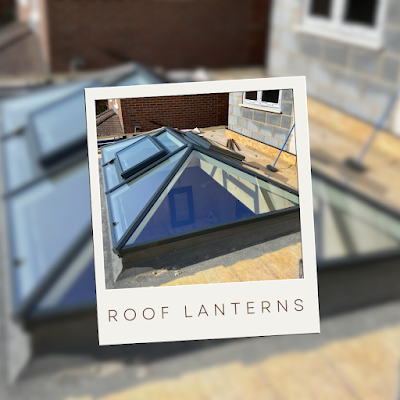
Doorwins Windows and Doors has become among the best double glazing suppliers in London. Our in-house fabrication team manufacture, supply and fit roof lanterns and sliding doors for property renovations across London and Greater London.
Our every glazing installation shows our deep understanding of glazing systems and installation standards. If you’re searching for secure composite front doors, we’ll recommend and install the perfect system.
As a reputable double glazing supplier in London, we’re proud to combine design, durability and performance in every manufacture.
AREAS COVERED: North London, West London, South London, East London, Central London, Inner London.
Doorwins windows and doors
Address: 4 Observatory Gardens, London W8 7HY
Phone: 020 8629 1171
Description: Quality double glazing with supply and install options, delivering thermal performance, noise reduction and security.
Services: Double glazing upgrades for refurbishments, extensions and new builds, including disposal of old frames and professional finishing.
Products: Energy-efficient double glazing with low-E units, warm-edge spacers and PAS 24/SBD-ready hardware; made-to-measure frames.